
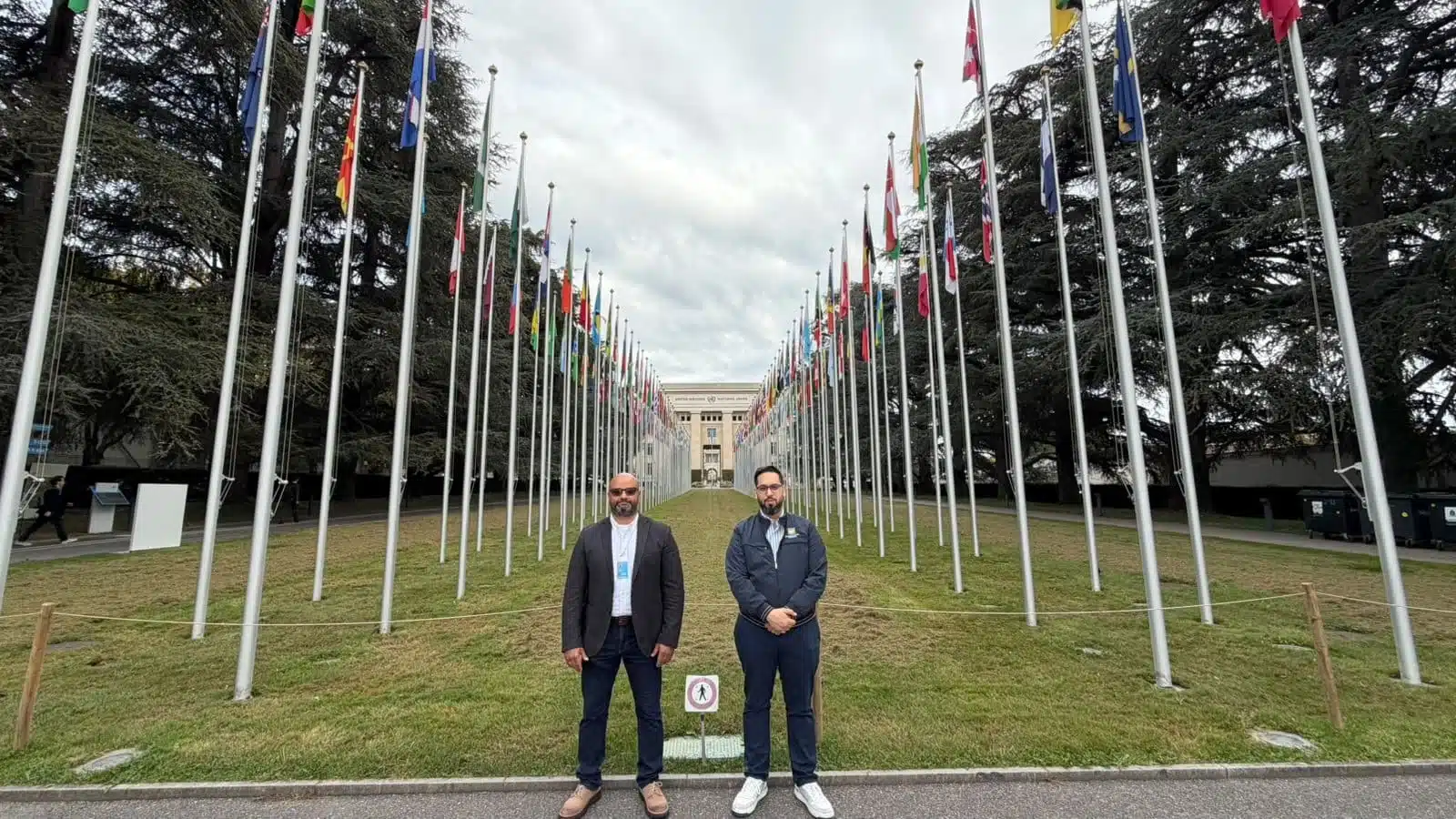
Swiss Barakah Charity at the UN Human Rights Council in Geneva Mohamad Ajami speaks on the right to education for children in Africa Geneva, 30 September 2026 – Mohamad Ajami, founder and CEO of Swiss Barakah Charity, spoke on the sidelines of the 63rd session of the UN Human Rights Council at the Palais des Nations. At the side event “The Right to Education for Children in Africa”, he showed representatives of states and organisations how Swiss Barakah Charity is tackling the lack of education in Africa. A panel on the right to education The event was hosted by ACI Human Rights (Africa Culture International Human Rights), an organisation in special consultative status with the United Nations Economic and Social Council (ECOSOC). The panel was moderated by ACI President Lamine Dianko. Alongside Mohamad Ajami, other experts from human rights work and development cooperation also spoke. The UN Human Rights Council meets three times a year in Geneva. On the sidelines of its sessions, states and non-governmental organisations hold side events to explore specific topics in depth before an international expert audience. Mohamad Ajami during his intervention at the Palais des Nations in Geneva. Good schools, not just classrooms In his intervention, Ajami presented Swiss Barakah Charity’s approach: the organisation builds schools equipped so that children can really learn there – with IT, good desks and a well on the school grounds. The reason for the well is simple: when children no longer have to walk long distances to fetch water, they stay in class and can concentrate on learning. That is also why some schools have a kitchen. Throughout the year, Swiss Barakah Charity opens new schools and builds classrooms. The organisation also distributes tens of thousands of school bags to children. Mohamad Ajami and co-founder Muatasim Bouchuch in front of the United Nations Office in Geneva. Strong interest in the initiatives Swiss Barakah Charity’s projects attracted strong interest from many participants. Give the gift of education Your donation helps build schools and open the path to education for children in Africa. Support school building now
Swiss Barakah Charity Meets Palestine’s Ambassador to the United Nations in Geneva
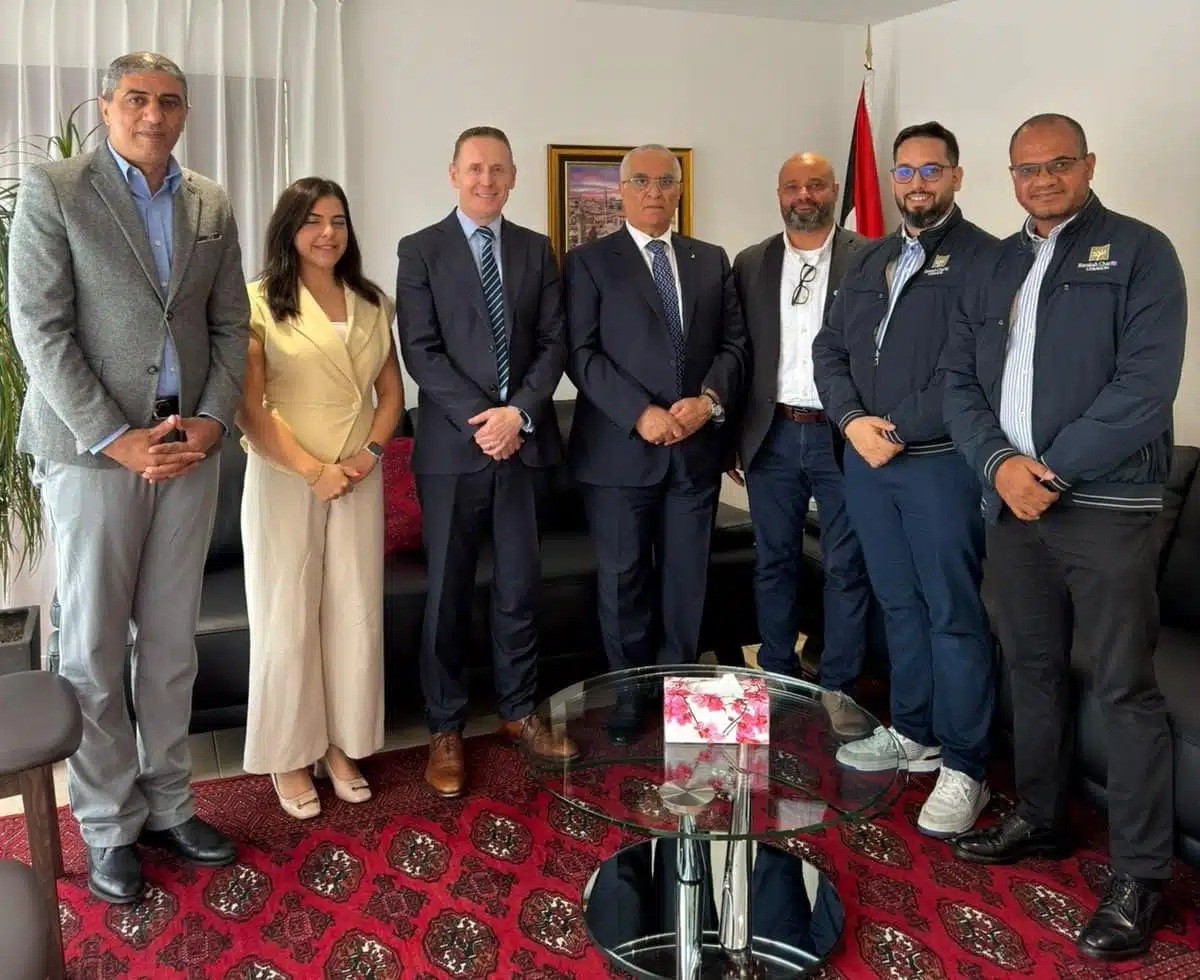
Swiss Barakah Charity Meets Palestine’s Ambassador to the United Nations in Geneva Talks on cooperation and 25 trucks of aid for Gaza Geneva, 30 September 2026 – A Swiss Barakah Charity delegation was received by Ambassador Ibrahim Mohammad Khraishi, Permanent Observer of the State of Palestine to the United Nations Office and other international organisations in Geneva. The talks focused on further cooperation and the next aid delivery to Gaza: 25 trucks. Thanks for the aid in Palestine Ambassador Khraishi thanked Swiss Barakah Charity for its cooperation and for the humanitarian aid the organisation provides in Palestine. Khraishi has represented Palestine at the United Nations in Geneva since 2008 and is also his country’s ambassador to Switzerland. More aid for Gaza – together with international partners The discussion covered how Swiss Barakah Charity can build partnerships with the Mission and with international organisations to bring more aid and support to Palestine. Specifically, it concerned the next delivery to Gaza: 25 trucks of relief supplies. Swiss Barakah Charity was represented by founder and CEO Mohamad Ajami, co-founder Muatasim Bouchuch, fundraising manager Hossine Ait Etaleb and Tariq Shahid. They were joined by David Cunningham of Kids Operating Room, a partner of Swiss Barakah Charity. Next steps Next up is the agreed delivery of 25 trucks to Gaza. Help for Gaza Every donation helps deliveries like this reach the people of Gaza. Donate for Gaza now
Ramadan 2027 Berlin, Germany – Calendar & Prayer Times
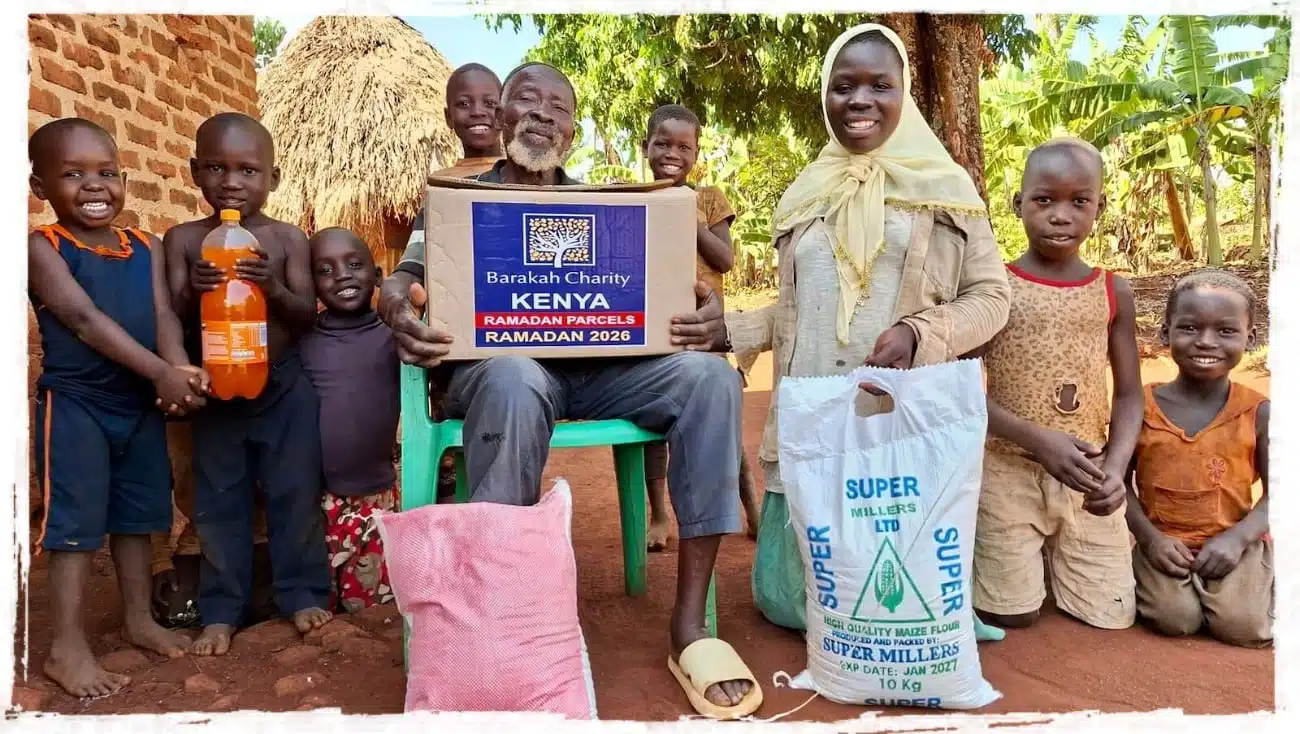
Ramadan 2027 in Germany Ramadan 2027 in Germany Ramadan 2027 in Berlin, Germany – Calendar, Laylat al-Qadr & Zakat al-Fitr Ramadan 2027 is expected to begin in Germany on the evening of 7 February 2027 – the first day of fasting is Monday, 8 February 2027. Eid al-Fitr is expected on 9 or 10 March 2027. (Exact dates depend on the moon sighting and may shift by one day.) Ramadan is one of the holiest months in Islam – a time of fasting, prayer and charity observed by millions of Muslims around the world, including in Germany. Here you will find everything you need for Ramadan 2027 in Germany: the Ramadan calendar with the key dates, prayer times, the meaning of the last ten days and information on Zakat al-Fitr. When does Ramadan 2027 start in Germany? Ramadan follows the Islamic lunar calendar, so its dates move forward by about ten to eleven days every year. In 2027, Ramadan is expected to begin in Germany on the evening of Sunday, 7 February 2027. The first day of fasting is Monday, 8 February 2027. Exact dates may vary slightly depending on the moon sighting. When does Ramadan 2027 end in Germany? The last day of fasting is expected to be Monday, 8 March or Tuesday, 9 March 2027, depending on whether the month has 29 or 30 days. Eid al-Fitr will then be celebrated on 9 or 10 March 2027. The Last 10 Days of Ramadan 2027 The last ten days of Ramadan carry a special spiritual significance. In 2027 they are expected to begin on the evening of 27 February and last until the end of the month. They include Laylat al-Qadr – the Night of Decree, described in the Quran as better than a thousand months (Surah 97, al-Qadr). It is sought in the odd nights of the last ten, especially the 27th night (Friday to Saturday, 5–6 March 2027). Zakat al-Fitr for Ramadan 2027 in Germany Zakat al-Fitr is an obligatory charity paid before the Eid prayer so that families in need can also celebrate. At Barakah Charity it is €13 per person. It is due for every member of the household, including children and those without their own income. Ramadan 2027 Prayer Times in Berlin, Germany During Ramadan, two times are set by the daily prayers: the fast begins at Fajr (the dawn prayer, end of Suhoor) and is broken at Maghrib (the sunset prayer, time for Iftar). These times shift by a few minutes every day over the month. Here is the full prayer timetable for Berlin during Ramadan 2027. Date Fajr (end of Suhoor) Dhuhr Asr Maghrib (Iftar) Isha (Tarawih) 08/02/2027 05:40 12:22 14:39 17:05 18:55 09/02/2027 05:39 12:22 14:40 17:07 18:57 10/02/2027 05:37 12:22 14:42 17:09 18:59 11/02/2027 05:35 12:22 14:43 17:11 19:00 12/02/2027 05:34 12:22 14:45 17:13 19:02 13/02/2027 05:32 12:22 14:46 17:15 19:04 14/02/2027 05:30 12:22 14:48 17:17 19:05 15/02/2027 05:28 12:21 14:49 17:19 19:07 16/02/2027 05:27 12:21 14:50 17:20 19:09 17/02/2027 05:25 12:21 14:52 17:22 19:10 18/02/2027 05:23 12:21 14:53 17:24 19:12 19/02/2027 05:21 12:21 14:55 17:26 19:14 20/02/2027 05:19 12:21 14:56 17:28 19:16 21/02/2027 05:17 12:21 14:58 17:30 19:17 22/02/2027 05:15 12:21 14:59 17:32 19:19 23/02/2027 05:13 12:21 15:00 17:34 19:21 24/02/2027 05:11 12:21 15:02 17:36 19:23 25/02/2027 05:09 12:20 15:03 17:37 19:25 26/02/2027 05:07 12:20 15:04 17:39 19:26 27/02/2027 05:05 12:20 15:06 17:41 19:28 28/02/2027 05:02 12:20 15:07 17:43 19:30 01/03/2027 05:00 12:20 15:08 17:45 19:32 02/03/2027 04:58 12:20 15:10 17:47 19:34 03/03/2027 04:56 12:19 15:11 17:48 19:36 04/03/2027 04:53 12:19 15:12 17:50 19:37 05/03/2027 04:51 12:19 15:13 17:52 19:39 06/03/2027 04:49 12:19 15:15 17:54 19:41 07/03/2027 04:46 12:18 15:16 17:56 19:43 08/03/2027 04:44 12:18 15:17 17:58 19:45 09/03/2027 04:42 12:18 15:18 17:59 19:47 Calculated using the Muslim World League method (Fajr 18°, Isha 17°). Times may differ by a few minutes depending on your location and calculation method – please follow the Ramadan timetable of your local mosque. This Ramadan, every good deed counts. Your donation reaches families in need – close to home and around the world. Donate for Ramadan now FAQs – Ramadan 2027 When is Ramadan 2027 in Germany? Ramadan 2027 is expected to begin in Germany on the evening of 7 February 2027, with the first day of fasting on Monday, 8 February 2027 – depending on the moon sighting. When does Ramadan 2027 end? Ramadan 2027 is expected to end on 8 or 9 March 2027 (last day of fasting). Eid al-Fitr will be celebrated on 9 or 10 March 2027. When is Eid al-Fitr 2027? Eid al-Fitr is expected on Tuesday, 9 March or Wednesday, 10 March 2027, depending on the moon sighting. How long is Ramadan 2027? Ramadan 2027 lasts 29 or 30 days – from 8 February to 8 or 9 March 2027. The exact length depends on the moon sighting. When are the last 10 days and the last 10 nights of Ramadan 2027? The last ten nights are expected to begin on the evening of 27 February 2027 (the night before the 21st of Ramadan) and last until the end of Ramadan on 8 or 9 March 2027. When is Laylat al-Qadr 2027 (the Night of Decree, the Night of Power)? Laylat al-Qadr is sought in the odd nights of the last ten, especially the 27th night (Friday to Saturday, 5–6 March 2027). When is the 27th night of Ramadan 2027? The 27th night is expected to begin on the evening of Friday, 5 March 2027, after Maghrib, and lasts until the dawn prayer on Saturday, 6 March. When is the Tarawih prayer in 2027? The first Tarawih prayer is expected on the evening of Sunday, 7 February 2027, after the Isha prayer. Tarawih is then prayed every night of Ramadan after Isha – see the „Isha (Tarawih)“ column in the table above for the times in Berlin. Iftar times for 2027 in Berlin: When is the breaking of the fast? The fast is broken (Iftar) at
Swiss Barakah Charity Becomes Development Partner of the Tripoli Economic Zone
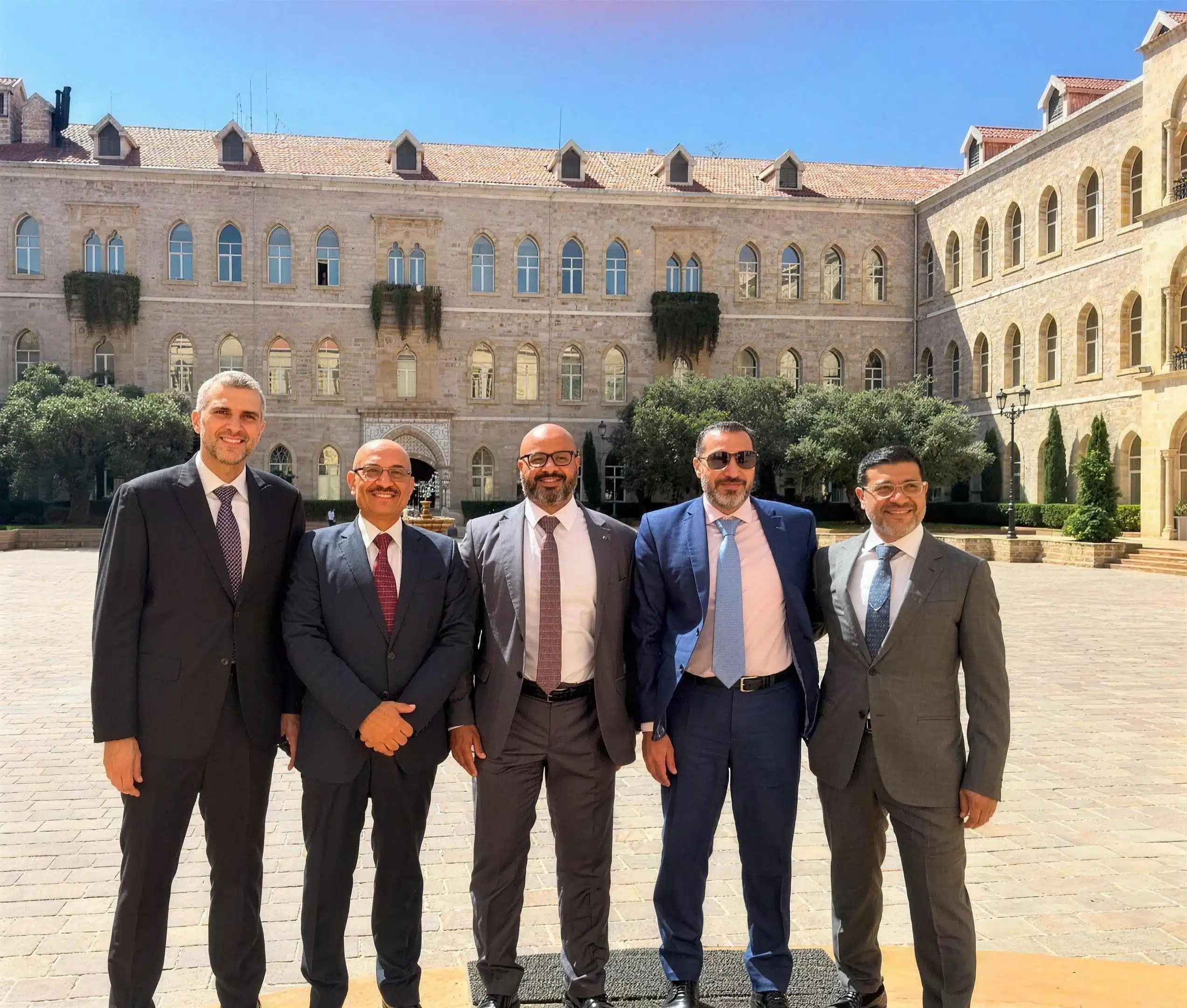
Swiss Barakah Charity Becomes Development Partner of the Tripoli Economic Zone A development project for all of northern Lebanon On 15 September 2026, memoranda of understanding and contracts for a major development project in northern Lebanon were signed in Tripoli. Swiss Barakah Charity is a key part of it: we are funding the administrative headquarters of the Tripoli Special Economic Zone (TSEZ) – helping an entire region get back on its feet economically for the long term. Tripoli is considered one of the poorest cities in the eastern Mediterranean – and at the same time one with great potential. This is exactly where the Tripoli Special Economic Zone (TSEZ) is taking shape: a long-term development project designed to bring investment, industry and, above all, jobs to northern Lebanon. The signing brought together Prime Minister Nawaf Salam – formerly President of the International Court of Justice (ICJ) in The Hague – Minister of Public Works and Transport Fayez Rasamni, and Dr Hassan Dannawi, Chairman of the economic zone. Salam described the vision as an interplay of sea, land and air: a high-performing Port of Tripoli, an economic zone for industry, services and technology, expanded transport links to the interior, and René Mouawad Airport in Qleiat as an additional gateway to the north. “When Tripoli grows, Lebanon grows with it,” said Salam. The projects are expected to create several thousand jobs and open up lasting new economic prospects for the region. More than emergency aid: sustainable development Swiss Barakah Charity is funding the economic zone’s administrative headquarters – the administrative heart from which the entire project is managed. In doing so, Swiss Barakah deliberately goes beyond classic emergency aid: instead of providing only short-term relief, the organisation invests in structures that help an entire region in the long term – through jobs, income and economic independence. This way, people are not only supported but enabled to stand on their own feet. Swiss Barakah Charity and the Order of Engineers and Architects of Tripoli sign the economic zone agreement. “As Swiss Barakah Charity, we do more than provide direct emergency aid. Here we are helping to rebuild an entire region economically – with jobs and real prospects. When we help lay the foundations for business and work, we create hope for thousands of families, far beyond today.” — Mohamad Ajami, CEO of Swiss Barakah Charity Long-term benefits for northern Lebanon An expanded port, new transport links, a functioning economic zone: projects like this make a difference for years. New jobs and income give the people of northern Lebanon an economic future – help that lasts. Swiss Barakah Charity’s part in such a development process shows how the organisation sees its responsibility: not just carrying people through the next day, but helping them build a future. Would you like to support Swiss Barakah Charity’s work in Lebanon? Find out more here.
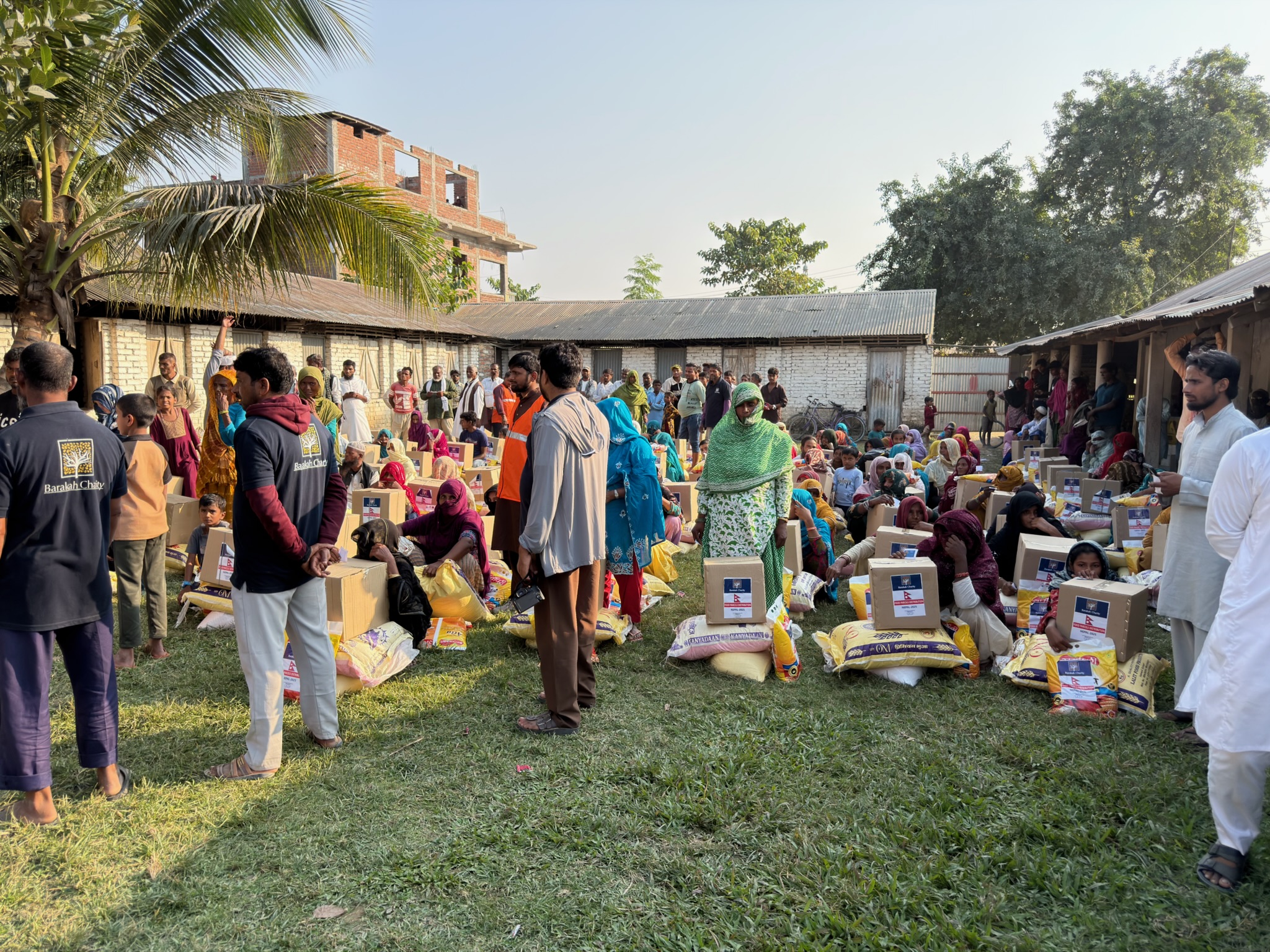
Together for Nepal – Help That Changes Lives
Together for Nepal – Help That Changes Lives Together for Nepal – Help That Changes Lives Together for Nepal – Help That Changes Lives A Country of Extraordinary Beauty – and Great Challenges Nepal is a country of breathtaking mountains, rich traditions and a strong sense of community. Yet behind its natural beauty, many people continue to face severe poverty and difficult living conditions. In rural communities in particular, families often live below the poverty line and struggle to secure the most basic necessities. Limited infrastructure, unstable incomes, inadequate healthcare and restricted access to education make everyday life especially challenging for children and vulnerable families. Our Relief Effort – Providing Help Where It Is Needed Most Barakah Charity NGO carried out a comprehensive relief initiative in Nepal’s Terai region, supporting families and individuals facing particularly difficult circumstances. Warm meals, clothing, school supplies and other essential goods were distributed to families without stable sources of income, orphaned children, elderly people and others in need. For many recipients, a warm meal meant more than nourishment. It was also a reminder that they matter, that they are seen and that they have not been forgotten. Education Creates Opportunities – Better Classrooms for Children Education can open the door to a better future, but many children in Nepal still lack a safe and suitable place to learn. Some schools have too few classrooms, ageing or damaged buildings, inadequate equipment or makeshift classrooms made from sheet metal and wood. For children growing up in poverty, these conditions can make an already difficult path even harder. As part of our relief efforts, new classrooms were created and existing school facilities were renovated. Buildings were repaired or rebuilt, walls were repainted, floors renewed and sturdy desks, benches and blackboards provided. Additional classrooms were also established to help reduce class sizes. The goal is simple: to give children a safer, more welcoming place to learn – and the dignity and opportunity they deserve. School Supplies – Giving Children the Tools to Learn Alongside improvements to school buildings, essential learning materials were distributed to children and families. For many households, notebooks, writing materials and other school supplies can be a significant financial burden. Providing these essentials helps families manage their limited resources while giving children the tools they need to participate fully in school. Education is one of the most powerful ways to break the cycle of poverty. Every child given the opportunity to learn takes another step towards a brighter future. Clothing and Essential Goods – Practical Help for Everyday Life Clothing and blankets provided much-needed protection from cold conditions in mountain areas and during Nepal’s damp seasons. Hygiene products, household items and other everyday essentials were also distributed. These may seem like simple things, but for families living with very limited resources, they can make a meaningful difference to daily life. Why Support for Nepal Still Matters Many communities in Nepal remain vulnerable to natural disasters, economic hardship and limited access to public services. When crises occur, it is often the poorest and most vulnerable who suffer the most. Humanitarian support can provide immediate relief, but its impact can go much further. By investing in education, local facilities and the basic needs of families, aid can help create stronger foundations for the future. A Nepalese Saying – The Power of Humanity In Nepal, people say: “Sahayog garnu nai merai dharma ho” – “Helping is my duty, my humanity.” These words reflect a deep spirit of solidarity and compassion. Helping others is not simply about giving something away; it is about standing beside people in difficult times and recognising our shared humanity. What Your Support Can Make Possible Our work in Nepal shows that meaningful change can begin with something as simple as a warm meal, a school notebook, a freshly renovated classroom or a safe place to learn. For children and families facing hardship, these acts of support can bring hope, confidence and new opportunities. Most importantly, they send a powerful message: You are not alone. Donate for Nepal – Help Bring Hope Donate Now

Dhul Hijjah 2026 Dates Germany: Hajj, Arafah & Eid al-Adha Guide
Dhul Hijjah 2026 Dates Germany Dhul Hijjah 2026 Dates Germany When is Dhul Hijjah 2026 in Germany Dhul Hijjah, the sacred month in the Islamic lunar calendar, encompasses the Day of Arafah and Bajram/Opferfest (Eid al-Adha)—the highlights of devotion and sharing. Here you’ll find the key dates for 2026 and learn how to support our Iftar and Kurban campaigns. Key Dates for Dhul Hijjah 2026 in Germany Dhul Hijjah Begins: May 18, 2026 First Ten Days: May 18 – May 27, 2026 Day of Arafah (9th Dhul Hijjah): May 26, 2026 Eid al-Adha (10th Dhul Hijjah): May 27, 2026 Note: These dates are based on astronomical calculations; local moon sightings in Germany may adjust the calendar. Always confirm with your local mosque. The First Ten Days & Hajj in Germany The first ten days of Dhul Hijjah—May 18 to May 27, 2026—are the most important days of the year for worship, as the Prophet ﷺ said, “There are no days during which righteous deeds are more beloved to Allah than these ten days” (Sahih al-Bukhari 969). Whether you’re on Hajj or observing at home in Germany, use this time for intensified prayer, fasting, and reflection—and consider donating Iftar meals to share their blessings with those in need. Day of Arafah and Fasting Benefits The Day of Arafah on May 26, 2026 is the climax of the Hajj pilgrimage and highly significant for Muslims. The Prophet (peace and blessings be upon him) said: “Whoever fasts on the Day of Arafah will have their past and future sins forgiven” (Sahih Muslim). It is the perfect time to pray, fast, and meditate together as a community. Donate Iftar for Arafah to feed refugees and families in need. Eid al-Adha & Kurban Support Eid al-Adha on May 27, 2026 commemorates Prophet Ibrahim’s (AS) obedience to Allah. Although Qurbani sacrifice cannot be performed in Germany, you can support vulnerable communities in Asia, Africa, Yemen, or refugees by sharing the spirit of sacrifice. Consider offering your Qurban to extend the blessings beyond local borders. Local Observance and Planning Stay informed through your local mosques and Islamic centers in Germany, as regional moon sightings may slightly adjust these dates. Early planning is essential—whether for Hajj, fasting on the Day of Arafah, or celebrating Eid al-Adha. May this concise guide help you navigate Dhul Hijjah 2026 in Germany with clarity and purpose. Adjust the dates as needed based on local announcements, and may your observance bring spiritual fulfillment and the joy of giving.